Tooth Decay – Something You Need to Know About | Columbus Best Dentist

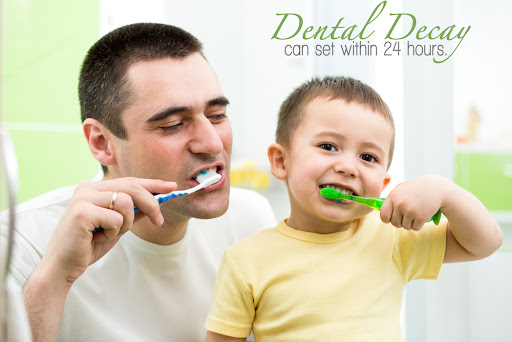
Painful, infected teeth are not a pleasant experience, but they are common symptoms of tooth decay. The good news however is that tooth decay is preventable. Your best defense against decay is a daily oral hygiene routine, as well as regular visits to our office. It can be helpful to know more about tooth decay and what causes it so that you are better equipped with the knowledge to prevent it. 

More Than Just Sugar 

Sugar is a leading cause of tooth decay. Sugar build-up and deposits on your teeth lead to the erosion of the tooth. While it is important to be mindful of the sugary products you are consuming, sugar is not the only culprit in causing tooth decay. Acids can also damage your teeth. Foods that are high in acidic content can speed up the process of decay. Our dentist suggests you avoid drinks and candies with high sugar or acid content. If you find yourself consuming such things, make sure to keep up with your daily oral hygiene routine. 

The National Institute of Dental and Craniofacial Research recommends avoiding snacks between meals, limiting sugary drinks and fruit juices, and not eating or drinking before bedtime after brushing.  

You Can’t Always Tell 

Decay doesn’t always have noticeable signs. When discomfort is felt, it could be a sign the decay has spread beyond one tooth. In other words, by the time you do feel it decay is far along. This can be prevented by regular visits to our office. Our doctor can help identify potential issues early and you will receive the best possible treatments for your teeth. 

Teeth with Fillings Still Need to Be Cared for Properly 

Previous fillings do not mean that your teeth are free of decay forever. It is essential you maintain proper daily care of your teeth. It is possible to develop decay around existing fillings, so be sure you are taking extra care especially around fillings. If you feel your existing fillings are giving you trouble, schedule an appointment to see us. 

Tooth Decay Not Just a Kids Thing 

All age groups are equally at risk of developing tooth decay.  Parents should keep an eye on their children’s sugary snacks and treats, but this advice holds true for everyone. Senior citizens are particularly vulnerable because of certain medications can damage their teeth. It is essential that all age groups are receiving twice-yearly dental examinations. 

Tooth decay is a common dental issue. However, with the right knowledge you can prevent damage to your teeth. Watch your diet and make sure you limit sugary candies and snacks. Remember, you won’t always be able to see or feel decay, so contact our office to schedule a regular visit. 

For more helpful tips on preventing decay, or to schedule an appointment, contact our office.

Family First Dental – Columbus
Phone: 402-564-7590
2672 33rd Avenue
Columbus, NE 68601

The One Piece of Gear Every Athlete Needs | Best Dentist Near Me

​​

Family_1st_Dental_Columbus_NE

An injury to your mouth can be a painful, expensive experience. For athletes, mouth and tooth injuries are a very real risk. Mouthguards are an excellent tool for protecting your mouth from injury and harm. Our team can help you find a solution that protects your teeth while you play. 

Why Wear a Mouthguard? 

Mouthguards protect your teeth. For athletes, injuries to the mouth can cause cracked teeth, or even worse, missing teeth. Additionally, your mouth is mostly made up of soft tissues, such as your tongue, inside cheeks, and lips. These areas can become injured or pierced when playing sports. Mouthguards help defend your mouth and teeth against such injuries.  

Do All Athletes Need a Mouthguard? 

Yes. High-contact sports such as hockey, wrestling, football, and boxing pose the greatest risk for mouth injuries. However, all athletes can benefit from being cautious. Gymnasts should consider wearing one to protect their mouth in the event of a fall. Baseball and basketball players should protect themselves from being injured by a ball or collision with another player. Mouthguards should be treated as a necessary piece of your athletic gear, no matter which sport you play. 

Which Mouthguard Is the Most Effective? 

Our team can help you during your next visit to our office. There are many options available, ranging from store-bought to custom-fitted mouthguards. We will work with you to determine which type of mouthguard is best for you. It is important that any guard fits properly.  

If you are currently receiving orthodontic treatment, we may recommend a special type of  mouthguard. Braces can puncture your mouth if impacted, particularly during sports. Our team will help you find a solution that works. 

Prevention is the best solution to oral sports injuries. Contact our office and ask about finding a mouthguard that is right for you.  For questions or to schedule an appointment, please click here to contact us

Family 1st Dental of Columbus
Phone: 402-564-7590
2672 33rd Avenue
Columbus, NE 68601

6 Tips for Preventing Tooth Decay in Children | Family Dentist Columbus NE

columbus_dentist

Oral health is important at every stage in life. Just because your children are going to lose their primary (baby) teeth eventually doesn’t mean that we can ignore the importance of dental care. Tooth decay can be painful and uncomfortable to treat. To protect your child’s smile, it is vital to understand optimal preventive care.

  1. Explain the importance of routine dental care to your children and turn brushing and flossing into something fun that they look forward to each day.
  1. Schedule routine appointments to our office for cleanings and dental exams. Your child should start seeing a dentist as soon as their first tooth emerges. Make sure to continue visiting us twice a year for optimal oral health.
  1. Include crisp and fibrous foods into your child’s diet. Fruits and vegetables high in water content help keep your child’s mouth hydrated. Foods such as apples increase saliva which inhibit bacteria from sticking to their teeth.
  1. Avoid food and drinks that are high in sugar. Soda, juice and candy are all treats that most children love to eat. However, these can be detrimental to your child’s teeth and overall health.
  1. Drinking plenty of water throughout the day is one of the easiest and most effective ways to prevent tooth decay. Water flushes bacteria and acid away from teeth. Encourage your children to drink water especially after eating.
  1. Ask us about dental sealants for your children. Sealants can add a layer of protection to your child’s teeth where bacteria build up to prevent damage.

Tooth decay starts out as a small problem, but left untreated can lead to serious oral health issues. By adding a few minor habits into your daily routine, your child’s oral health can change for the better. Simple changes in diet and routine can keep cavities at bay.

Call us today to schedule an appointment for your child.

Family First Dental – Columbus
Phone: 402-564-7590
2672 33rd Avenue
Columbus, NE 68601

Periodontal Disease and Rheumatoid Arthritis | Dentist Columbus NE

dentist_columbus

Periodontal disease, or gum disease, and Rheumatoid Arthritis (RA) are a systemic inflammatory disorder, which is how they have a connection. Both diseases frustrate the immune system and attack its own tissues, eventually leading to tooth loss and pain of joints. Learn about the connection and what you can do to protect your overall health.

Studies show a strong connection between RA and gum disease, an inflammatory condition that can lead to tooth loss and other health complications. Both diseases have inflammation in common, which explains the connection. Inflammation is a protective immune system response to viruses and bacteria. RA is an autoimmune disease which causes it to mistakenly trigger inflammation even if there are no viruses or bacteria present. Also, Brushing and flossing can be challenging for those with RA. In the journal PLoS Pathogens, they found that the bacteria that causes periodontal disease, Porphyromonas gingivalis, increases the severity of rheumatoid arthritis, leads to an earlier onset of the disease, and causes symptoms to progress quickly.

It is important for patients with rheumatoid arthritis (RA) to be brushing, flossing, and seeing your dentist regularly. It is very important to work with your doctors to find out what works best for you.  People who have both gum disease and RA should have an informed care team composed of both a physician and a periodontist. If you don’t have a periodontist, you should get an evaluation from your dentist every year to monitor the status of your gums. Research has found that when patients with RA successfully treat gum disease, pain and other symptoms get better.

For patients with RA, one must pay close attention to oral health and schedule regular dental exams, eat healthy and always brush and floss. If you have trouble taking care of your teeth due to stiff, painful hands or jaws, speak to your dentist or therapist about ways to make dental care easier. Here are some tips as to how you can make dental care easier to manage:

●        Toothbrush: add a tennis ball or bicycle grip to better handle your toothbrush

●        Floss: experiment with different type of floss

●        Toothpaste: using toothpaste in a pump may be easier for you than toothpaste you have to squeeze

If you have any questions or concerns regarding periodontal disease and rheumatoid arthritis, contact our office to schedule a consultation and what we can do for you.

Family First Dental – Columbus
Phone: 402-564-7590
2672 33rd Avenue
Columbus, NE 68601

Oral Health and Cancer | 68601 Dentist

There are over 12 million new cases of cancer diagnosed each year. There are a large variety of different kinds of cancer, some of which are more preventable than others. It might seem obvious that brushing and flossing each day as well as avoiding tobacco can help protect you from oral cancer. However, there are types of oral cancer and other cancers that can be prevented through optimal oral care as well.

Dentist in Columbus, NE 68601

Dental Care and Oral Cancer

While it’s long been known that tobacco and heavy alcohol use are the main causes of oral, head, and neck cancer, poor oral health has recently been added to the list. A 2007 study published in American Journal of Epidemiology found that poor mouth health and missing teeth were strongly linked to the development of oral cancer. Likewise, patients with healthy smiles were found to be far less likely to develop oral cancer. If you have been diagnosed with oral cancer, know that common oral health problems such as gum disease and tooth decay could be making the condition worse. Visiting our dental office regularly for professional cleanings, examinations, and oral cancer screenings to help catch signs of oral cancer early and make treatment easier and more effective.

Oral Health and Other Cancers

Poor oral health has been shown to be tied to other types of cancers outside of the mouth. For example, a recent study conducted by NYU Langone Health’s Perlmutter Cancer Center found that certain types of bacteria in patients with gum disease was tied to a higher risk of developing esophageal cancer. While esophageal cancer only accounts for 1% of new cancer cases diagnosed annually, over 90% of patients will die of the disease. Untreated gum disease opens up the tissues around the teeth to bacterial infection, allowing these harmful bacteria to enter the bloodstream and infect other parts of the patient’s body. Maintaining optimal oral health can help protect you from this threat.

Your oral health affects much more than just your mouth. If you’re not taking care of your teeth, tongue, and gums, you could significantly increase your risk of developing cancer without even realizing it. If you’d like to learn more about the connection between oral health and cancer, contact our Columbus dental team to schedule an examination and cleaning today! 

Family 1st Dental of Columbus
Phone: (402) 564-7590
2672 33rd Avenue
Columbus, NE 68601

Blood Thinners and Oral Surgery | 68601 Dentist

Blood thinning medications are helpful in regulating your body to prevent heart attacks, strokes, and other serious issues. However, if you are scheduled for oral surgery, it is vital that our oral surgeon is aware of all medications you are using. 

Columbus, NE 68601 Dentist

How Blood Thinners Work

There are two types of blood thinners. The first type works to prevent blood clotting. Medications ranging from aspirin to Plavix fit into this category. The other type of blood thinners work to prevent blood from coagulating; Coumadin or warfarin accomplish this. 

What Our Oral Surgeon Should Know

When you have your oral surgery consultation appointment, be sure to share with us any medications you are taking. We need to have your complete medical history to ensure your safety and proper treatment. Our dentist might also ask you the purpose of each medication you are taking to better understand any side-effects or other medical issues that could affect your oral surgery.

Steps to Take Before Surgery

Never stop any medication without consulting your doctor. Depending on your medical history, your doctor might suggest specific blood tests before having oral surgery. Communication is key, both between you and your primary physician, and between you and our office. If your treatment requires additional medication to be taken, ask about potential drug interactions. 

Steps to Take to Minimize Oral Bleeding

Bleeding resulting from oral surgery can occur, but each patient will have different results. The most effective way to minimize oral bleeding is to firmly apply pressure to the area for up to 30 minutes. Gauze is recommended for applying gentle pressure to stop bleeding. Depending on the oral surgery procedure, we may ask you to refrain from drinking hot liquids and rinsing your mouth for the first day. We suggest avoiding rough or sharp foods that might cut your mouth. 

Prior to having any oral surgery, it is important that our experienced surgical team has a thorough knowledge of your medical history. This enables us to find the best possible solutions for your needs, while ensuring your safety. 

If you have any questions about medications and oral surgery, contact our Columbus dental office.

Family 1st Dental of Columbus
Phone: (402) 564-7590
2672 33rd Avenue
Columbus, NE 68601

Men: Here’s What You Need to Know About Keeping Your Mouth Healthy | Dentist in Columbus

Men, dental examinations and treatment are important for you, too. Did you know according to the Academy of General Dentistry (AGD), by age 72 men lose an average of 5 teeth? That number jumps to 12 if you are also a smoker. Here’s what you need to know about keeping your mouth healthy. Follow these tips and you can beat the odds stacked against men and their oral health.

Best Dentist in 68601

The Basics

Men are more likely than women to suffer from periodontal, or gum, disease. Men also have a higher risk of developing oral cancer and throat cancer, and men tend to lose more teeth than women. A poll conducted by the AGD found that 45% of men who responded felt there was no need for them to visit the dentist. This is a troubling statistic for a group more prone to oral health issues. A visit to our office can help us identify problems early.

Risk Factors

Certain medications can directly impact your teeth. Others can cause side effects such as dry mouth, which decreases saliva. Saliva is important in keeping your teeth’s enamel strong. Smoking or chewing tobacco, including smoking electronic cigarettes, have been linked to increasing your risk of developing oral cancer and other oral health issues. If you play sports, especially football or hockey, get fitted with a mouth guard to protect your teeth from extensive damage. You should avoid or limit energy drinks and sports drinks, as these contain acids and sugars that can lead to decay.

Periodontal Disease

Men are at a higher risk for developing periodontal, or gum, disease. Periodontal disease is caused by a buildup of hardened plaque on teeth and gums. This buildup, known as tartar, can inflame your gums. Studies have linked periodontal disease to increasing your risk for strokes, heart attacks, diabetic complications, and more. If your gums are red, bloodied, or sore, you should make an appointment to see us. Our experienced, professional dental team will assess your gum health and work to find a treatment for you.

Take These Steps at Home

A visit to our office will provide you with a complete dental examination and cleaning, but you should also practice good oral hygiene each day at home. This starts by brushing your teeth twice each day, for two minutes each time. When you brush, use an appropriate toothpaste. Ask our team if you are not sure what kind of toothpaste is best for you. Make sure you are also using dental floss. Taking care of your teeth at home will make your next visit to see us easier.

Men, your teeth are important so take good care of them. Practice good brushing and flossing habits at home. Reduce your risk of developing decay and oral disease by cutting back on sugary or acidic drinks, avoiding tobacco and smoking, and keeping our office up to date on any medications you are using. Get into the habit of coming to our office regularly, your smile depends on it.

For more tips on keeping your mouth healthy or to schedule your next dental examination, please contact our dentist in 68601 office.

Resources: The Academy of General Dentistry

http://www.knowyourteeth.com/infobites/abc/article/?abc=M&iid=312&aid=1266

Family 1st Dental of Columbus
Phone: (402) 564-7590
2672 33rd Avenue
Columbus, NE 68601

Health Link: Oral Hygiene and Heart Disease | Best Dentist in Columbus NE

The human body is a network of interconnected systems and organs. Unfortunately, issues that impact one particular area of your body can also affect the health and function of other areas. Recently, studies have highlighted evidence for links between gum disease and heart disease.

Best Dentist in Columbus NE

While the exact nature of the connection is still being researched, heart disease is almost twice as likely to occur in people who have gum disease. Nearly half of all Americans have undiagnosed gum disease. In the United States, heart disease is the leading cause of death, making it pertinent that you maintain a healthy heart. The first key to doing so might lie in keeping your gums healthy.

While gum disease may be a contributing factor to heart disease, it is not the only cause. It is essential that you maintain regular visits to your primary care physician as well to measure your overall health. Other factors and lifestyle choices can impact your heart health.

Diet and exercise. Maintain an active lifestyle with activities you enjoy, such as taking walks, riding bikes, playing sports, or doing yoga. Avoid foods high in starches and sugars, including carbonated soft drinks, as they can also damage your teeth.

Don’t smoke. Whether you’re smoking or vaping, nicotine has a detrimental effect on your cardiovascular system and can damage teeth, gums, and lungs. Recent studies have connected vaping to a rapid loss in healthy cells that line the top layer of your mouth. These cells play an essential role in keeping your mouth healthy.

Brush your teeth. The most basic part of oral hygiene is also the most effective. Make sure you brush and floss at least twice a day. 

By keeping a balance, exercising regularly, and taking care of your teeth, you’re taking a holistic approach to your well-being and minimizing your risk of developing heart disease. 

As with other diseases, preventing gum disease alone will not completely remove the risk of developing heart disease. However, you can take a proactive approach to keeping your body healthy, starting with your oral health.

To schedule a cleaning and examination, please contact our Columbus NE Dentist office.

Family 1st Dental of Columbus
Phone: (402) 564-7590
2672 33rd Avenue
Columbus, NE 68601

Dentist Columbus | The Truth About Dental Anxiety

Is anxiety or nervousness preventing you from visiting our Columbus dentist? Dental treatments should not be a cause of stress. If you worry about pain, embarrassment, or loss or control during a dental examination, we want you to know two very important things: You are not alone and We can help.

Dental Anxiety Is Common

Research has shown that most patients experience some degree of anxiety when visiting the dentist. Between 10 and 20% of the general population encounters such a high level of stress and nervousness that they ignore oral healthcare altogether. This can increase the risk of developing severe oral health complications, requiring additional care.

In many cases, dental anxiety has two main causes. First, patients may have had a negative experience in the past, leaving them apprehensive towards their next appointment. Second, is through influence. This is particularly true for children. Children learn through imitation and are influenced by their parents. If you dread going to the dentist, your child may pick up on the behavior and develop similar fears.

Our Team Can Help

The first action you can take is to let our team know about your feelings of nervousness and anxiety. We have a number of techniques to help you feel more comfortable and relaxed. Our compassionate Columbus dentist is always open to discussing your options with you.

We will consult you regarding what your visit will entail, and work together to find a comfortable pace at which you feel comfortable.

If nervousness, stress, fear, or anxiety have caused you to skip appointments or avoid dental care completely, please contact our team. Dentistry is constantly evolving by offering new technology and treatment methods with patient safety and comfort in mind. Talk to our Columbus dentist about your fears or concerns and allow us to work with you. Ignoring your oral health can have serious repercussions and lead to more necessary treatments.

Contact our dentist in Columbus to schedule your visit today.

Family 1st Dental of Columbus
Phone: (402) 564-7590
Url: https://ffdcolumbus.com/
2672 33rd Avenue
Columbus, NE 68601

Columbus Dentist | Be Wary of These Beverages

It’s common knowledge that plenty of beverages are not good for your health. The excessive amounts of sugar, caffeine, or alcohol found in a lot of popular drinks have well-documented impacts on your body. However, you may not be aware of the immediate impacts that these beverages can have on your teeth. Below is a list of some common beverages and tips for enjoying them responsibly.

Soda, Juice, and Energy Drinks

The high sugar content in these drinks can have a negative impact on your physical health. Less obvious however is the effects that they can have on your teeth. As with any sugary food, prolonged exposure can lead to the damage and decay of your enamel, opening the door for cavities and other issues to occur.

Coffee

Many popular coffee drinks contain just as much sugar as sodas and juices. However, even people who drink their coffee black run the risk of damaging their smile. Excessive coffee consumption can stain your teeth, though the amount of discoloration experienced varies from person to person.

Wine, Beer, and Liquor

Though it seems obvious that red wine can stain your teeth, all wines pose a similar risk of damage. Likewise, darker beers can gradually stain your teeth depending on the frequency of consumption. While hard liquors generally don’t pose as much of a risk to your enamel on their own, the mixers they’re often served with can.

How to Protect Your Teeth

After consuming one of these beverages, your first impulse might be to brush your teeth as soon as possible. However, rushing to brush could actually be doing more harm than good. All of the aforementioned beverages contain high levels of acid. This acid has a softening effect on your enamel, and the pressure applied during brushing can potentially further this softening. Instead, it’s recommended that you follow sugary or acidic drinks with water and wait 30 minutes to brush. It is also beneficial to swish the water around as you drink it, as this will help gently rinse off all of your teeth and allow the enamel to harden before you brush.

Watching your diet can benefit your teeth as much as it benefits the rest of your body. However, moderate consumption of any of these beverages won’t cause an issue provided you maintain a proper oral care routine that includes regular brushing and flossing, as well as professional cleanings at least twice a year. Contact our Columbus dentist today to schedule your next appointment!

Family 1st Dental of Columbus
Phone: (402) 564-7590
Url: https://ffdcolumbus.com/
2672 33rd Avenue
Columbus, NE 68601

Visit Our Columbus Dental Office

Dentist Columbus

Our Dental News

Dentist Columbus

Experience Exceptional General Dentistry at Family 1st Dental – Columbus

January 30, 2026

Choosing the right dental provider is essential for maintaining optimal oral health. At Family 1st Dental – Columbus, located at 2672 33rd Avenue, Columbus, NE 68601, general dentistry is the cornerstone of our practice. We prioritize the unique needs of […]

Your Comprehensive Resource for General Dentistry at Family 1st Dental – Columbus

January 28, 2026

Choosing a dentist is a pivotal decision for maintaining not only your oral health but also your overall well-being. At Family 1st Dental – Columbus, located at 2672 33rd Avenue in Columbus, NE, the focus is placed squarely on providing […]

Exceptional General Dentistry at Family 1st Dental – Columbus

January 26, 2026

Located at 2672 33rd Avenue in Columbus, NE 68601, Family 1st Dental specializes in providing top-notch general dentistry services that prioritize the needs of every patient. With a dedicated team, including Dr. Brandon Mizner and Dr. Victor Romero, the practice […]